October 9, 2026
How to Follow Up After a Job Interview When You Haven’t Heard Back
If you have not heard back after a job interview, follow up when the employer’s stated decision or next-step date has passed. Send a short, polite email in the existing conversation: identify the role and interview date, reaffirm your interest if it is still genuine, and ask whether there is an updated timeline. If the employer gave no date, there is no universal waiting period; use the interviewer's instructions and the stage of the process to decide, then send one clear status check rather than a series of nudges.
No response by itself does not tell you whether you are still being considered. Hiring processes can move on a different schedule than the one discussed, but you cannot know the reason from silence. Write a message that is useful whether the delay is administrative, the process changed, or the employer has made a decision.
First, distinguish a thank-you note from a status follow-up
A thank-you note and a “checking on next steps” message do different jobs. A thank-you note acknowledges the interview soon afterward and may briefly refer to a relevant conversation. A status follow-up is sent later, when the timeline has passed or you need to clarify what happens next.
University career-center guidance commonly recommends sending a brief thank-you shortly after the interview; for example, UC Davis recommends a thank-you within 24 hours. That does not mean you should send a second email the next morning demanding a decision. If your thank-you already asked when to expect an update, use that answer as your timing reference.
If you skipped the thank-you, you can still write a courteous note. Don’t disguise an immediate status demand as thanks: acknowledge the conversation, then ask about timing only if you have a real reason to need that information or the employer’s timeline has passed.
How long should you wait before following up?
Use the timeline the interviewer or recruiter gave you first. Guidance varies when no date was given, which is why advice such as “always wait exactly seven days” can be misleading. Cal Poly Pomona’s Career Center says to follow up once if the employer’s stated hiring timeline passes. The University of Washington Bothell Career Services suggests politely asking about the decision timeline when more than a week has passed beyond the date you were told to expect an update. These are examples of career-center guidance, not a guarantee about how a particular employer will respond.
| Situation | A considerate next step |
|---|---|
| The promised update date is still ahead | Wait. Follow any instructions about when or whether to contact the employer. |
| The date just passed | Check your interview notes and allow for a small practical buffer if the date fell on a weekend, holiday, or very recent workday. Then send one concise check-in. |
| More than a week has passed beyond the promised date | A brief status email or the recruiter’s preferred contact method is reasonable, unless they asked you not to follow up. |
| No date was given | If possible, ask about next steps in your thank-you note. If that moment has passed, choose a reasonable interval based on the role and process; career centers offer differing examples, so avoid treating one number as a rule. |
| You have another genuine offer deadline | Contact the recruiter promptly, state the real deadline and date, and ask whether they can share an update. Do not invent or exaggerate urgency. |
At the interview, it is useful to ask: “What are the next steps, and when would it be appropriate for me to check back if I haven’t heard anything?” This gives both sides a concrete reference point. Georgetown’s career-center interview guide likewise advises candidates to ask about the selection process and offers examples for following up if the next-step date passes.
What to include in a job interview follow-up email
Keep the note easy to recognize and answer. You usually need only these parts:
- A clear subject line. Reply in the existing interview thread when there is one. Otherwise, use a direct subject such as “Following up: [Job Title] interview.”
- A reminder of the context. Include the role and interview date so the reader can place your message quickly.
- A brief statement of interest. Only say you remain interested if that is true.
- One uncomplicated question. Ask whether there is an update or a revised timeline—not for an immediate yes-or-no decision.
- A courteous close. Thank them for their time and sign with your name.
Do not resend your résumé, repeat your full interview pitch, or add new claims that were not discussed. If the recruiter asked you for information, include that item or say when you sent it. Keep dates and role titles exact.
Follow-up email templates you can adapt
These are starting points, not scripts to paste without checking. Replace the brackets with accurate details and remove any sentence that does not fit your situation.
When the hiring timeline has passed
Subject: Following up on the [Job Title] interview
Hi [Name],
Thank you again for speaking with me about the [Job Title] role on [date]. You mentioned that I might hear about next steps around [timeframe], so I wanted to check whether there is an updated timeline. I remain interested in the opportunity and would be glad to provide anything else that would be helpful.
Thank you, [Your Name]
This message refers to the expected date without blaming the recipient for missing it. If your interest has changed, replace “I remain interested” with a neutral closing rather than making a claim you do not mean.
When no timeline was discussed
Subject: Checking in about [Job Title]
Hi [Name],
I appreciated the opportunity to interview for the [Job Title] position on [date]. I’m checking in to ask whether there is an update on the hiring process or an estimated time for next steps. Thank you for your consideration.
Best, [Your Name]
If the process included several interview rounds, state the most recent round and date. You do not need to apologize for making a reasonable inquiry.
When another offer creates a real deadline
Subject: [Job Title] interview — timing question
Hi [Name],
I’m still very interested in the [Job Title] opportunity. I have received another offer and need to respond by [real date]. If you are able to share any update on your process or likely timing before then, I would appreciate it. I understand if your schedule does not allow for that.
Best, [Your Name]
Use this only when the other offer and deadline are real. Be transparent without implying that the company must accelerate its process or that you will accept another offer if that is not your plan.
What if they still do not respond?
After one well-timed status check, give the employer room to respond. If you have a concrete new development—such as a genuine offer deadline—you can send one factual update. Otherwise, avoid contacting the interviewer across email, phone, LinkedIn, and other channels to force an answer.
There is no reliable way to infer the outcome from silence alone. Georgetown’s guidance suggests a second email at a later point in some cases and discourages continued outreach after a longer period; other career-center advice differs. Treat those as examples, not a universal sequence. If you choose to send a second message, make it the same channel, brief, and meaningfully spaced—not a daily reminder. Then continue applying and planning as though this opportunity is uncertain. That protects your time without declaring the interview over based on an unknown.
If the employer explicitly said not to contact them, follow that instruction. If you receive a rejection, a short thank-you can preserve a courteous close; asking for feedback is optional, and the employer may not provide it.
Avoid these follow-up mistakes
- Writing before the agreed timeline. It may suggest you missed or ignored the instructions. Check your notes first.
- Making silence sound like a complaint. “I still haven’t heard anything” or “I expected a response by now” puts frustration ahead of the request.
- Asking for a decision when a timeline update is enough. The employer may not be ready to decide, but may be able to explain the next step.
- Sending repeated messages on several channels. One clear email is easier to handle than a cluster of calls, direct messages, and follow-ups.
- Inventing leverage. Don’t imply you have another offer, deadline, experience, or competing process unless it is true.
- Over-polishing until the note sounds unlike you. Professional can still be direct and human.
Draft and review the message on your iPhone
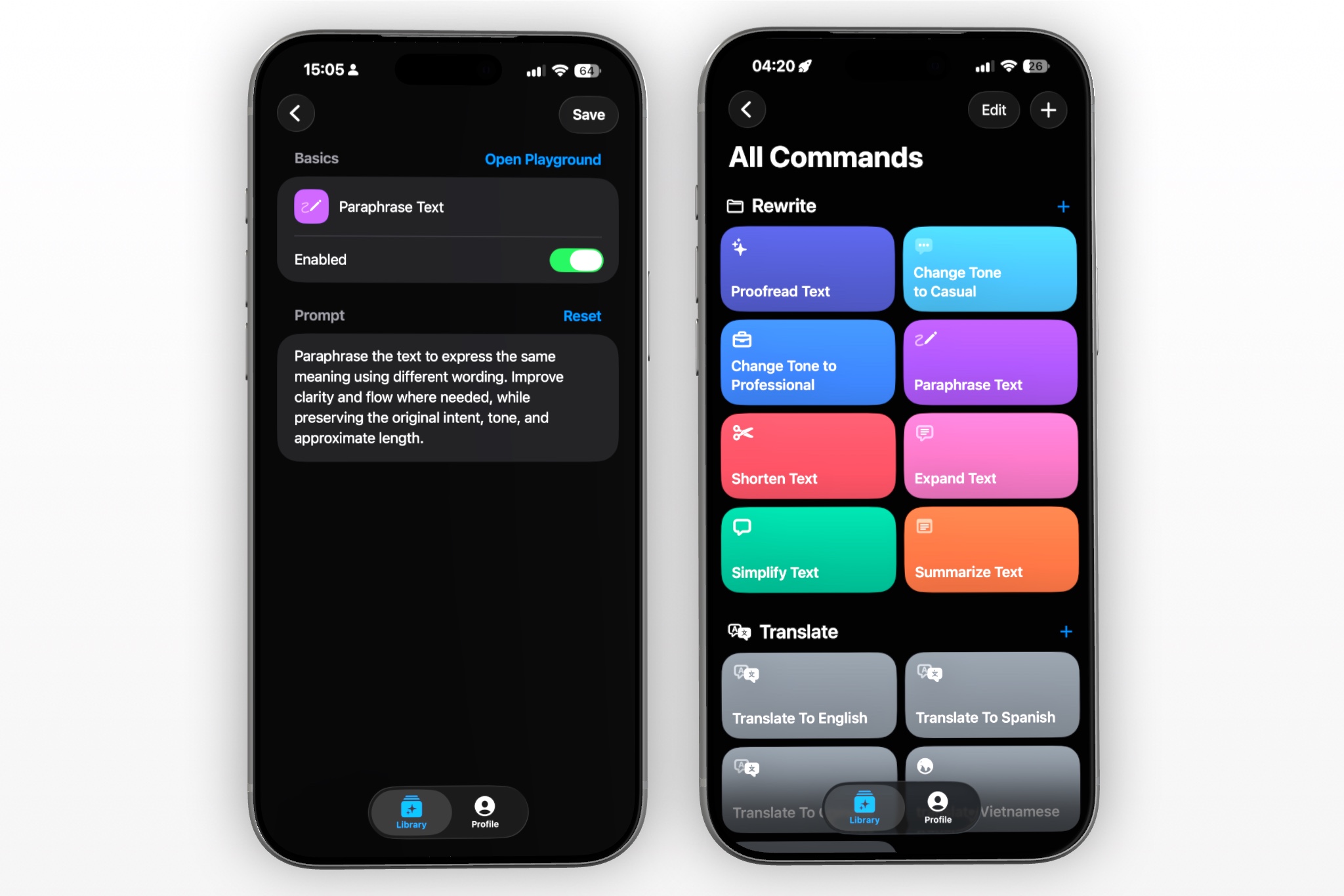
If the blank message is the hard part, write the facts first in a short draft: role, interview date, promised timeline, current status, and what you want to ask. Then turn that into a brief note. RewriteMate can help revise text for clarity or tone, but it cannot verify what happened in your hiring process or know whether a detail is true. Review every name, job title, date, deadline, and statement of interest before sending.
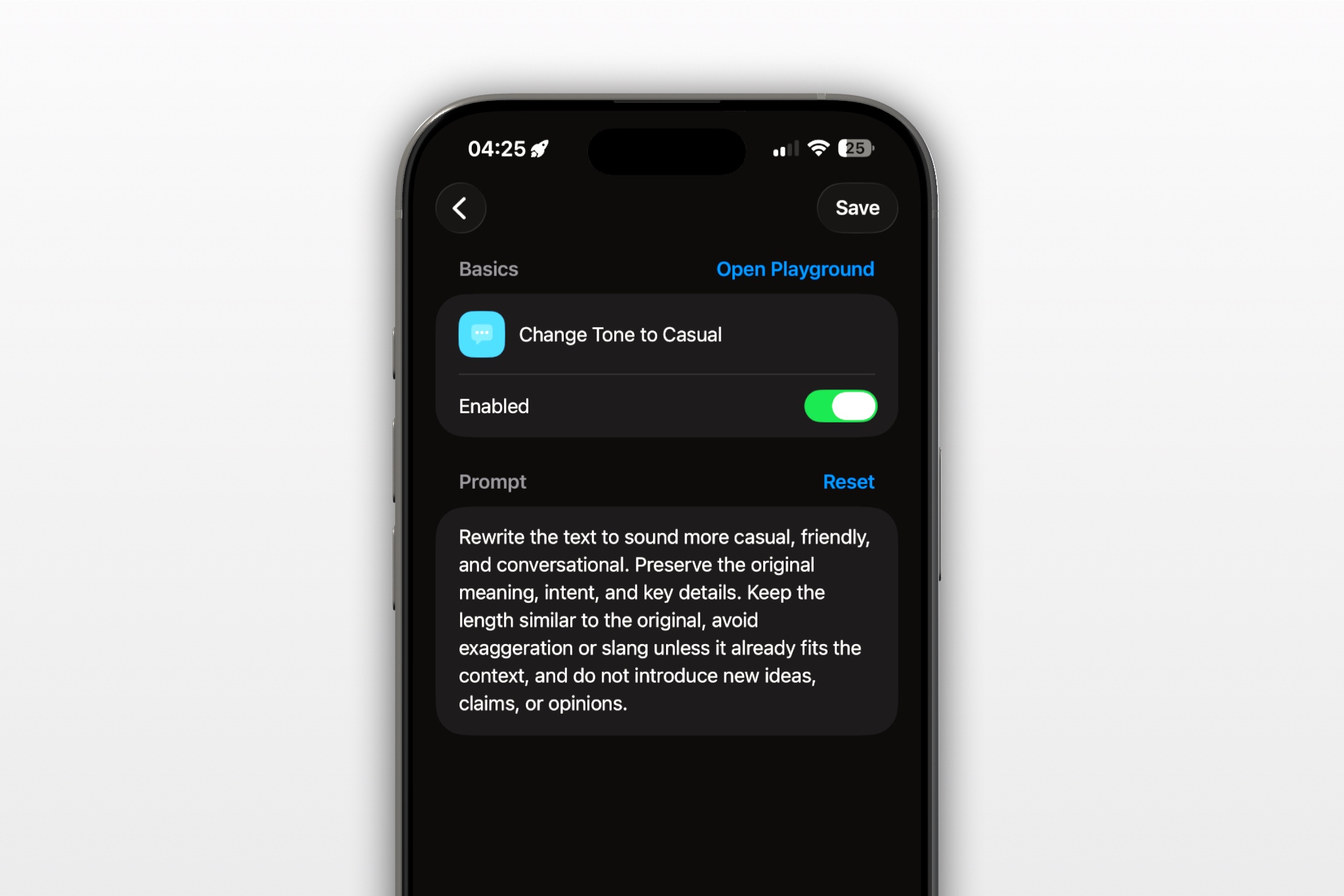
For a repeatable draft-and-edit workflow, a RewriteMate custom command could be saved as “Interview Follow-Up: Calm and Clear.” Use a folder such as “Job search” and choose whether to insert, replace, or copy the result based on how you are drafting. This is optional; the templates above work without an AI tool.
Example instruction for a custom command:
Rewrite my draft as a concise, courteous follow-up after a job interview. Preserve my meaning and all facts exactly. Do not invent a hiring timeline, interview detail, qualification, competing offer, deadline, promise, or level of interest. Ask one neutral question about the status or next steps. Keep the tone professional and natural. If a key detail is missing, leave a bracketed placeholder instead of guessing. Draft: [paste my message]
Before using generated wording, verify the dates, the exact role title, whether the timeline really passed, and whether “I remain interested” accurately reflects your position. An AI rewrite should not turn a polite request into a claim about qualifications or urgency you did not provide.
Frequently asked questions
How long should I wait after an interview before following up?
Use the date the employer gave you. If it passes, a short status check is reasonable; some university career centers suggest waiting beyond the expected date, while guidance differs when no date was discussed. Follow any direct instruction from the employer over a general template.
Should I send a thank-you email and a follow-up email?
They serve different purposes. A thank-you note acknowledges the interview soon afterward. A later follow-up asks about status or timing if the expected date passes. Do not turn the thank-you into an immediate demand for a decision.
What should the subject line say?
Reply in the existing thread if possible. Otherwise, use a plain subject that identifies the role, such as “Following up: [Job Title] interview.”
Is it okay to follow up if I forgot to ask about the timeline?
Yes. Send a concise, courteous message that names the role and interview date and asks whether there is an estimated next-step timeline. Avoid implying the employer promised a date if it did not.
Should I mention another job offer?
Only if you have a genuine offer and a real response deadline. State the exact date, express your true interest, and ask whether an update is possible; don’t bluff or pressure the recruiter.
Does following up guarantee a better chance of getting hired?
No. A courteous follow-up is a communication step, not a guarantee of an interview result or response. Use it to ask a clear question, then keep your search moving.
The simple rule
Respect the timeline you were given, ask once in a calm and specific way when it has passed, and do not read more into silence than you know. A useful follow-up makes the next step easy to answer; it does not try to force an outcome. If drafting from your phone feels awkward, use the examples as a base, keep your own voice, and check every factual detail before you send.
Related articles
Keep reading
How to Reply to an Email Professionally From Your iPhone
Write clear, professional email replies from your iPhone with a simple structure, practical examples, and AI-assisted editing tips that keep your message accurate.
How to Ask for Approval Without Sounding Demanding
Request a decision clearly in email, Slack, or text without vague follow-ups, unnecessary apologies, or pressure disguised as politeness.

Felix Tran
RewriteMate Dev & Editorial Lead
Write about everyday workflows, systems that help ideas move faster, from first draft to finished work.