
November 12, 2026
How to Decline a Work Meeting Without Suggesting Another Time
If you need to decline a work meeting and cannot—or do not want to—propose another time, say so plainly. Thank the organizer, state that you will not attend, and add a brief reason only if it helps. Offer an async update, a written answer, or a colleague only when that is a real option; a polite decline does not require an invented excuse or a promise to meet later.
The awkward part is often not the word “no.” It is the feeling that a decline must come with a replacement slot. That can create a second scheduling task you cannot take on, or imply that you want a meeting you do not actually want. A useful reply closes the loop without leaving either impression.
First decide what kind of “no” you mean
Before drafting, separate three situations that can sound similar in a short message:
- You cannot attend this slot, but do want the meeting. If you have a genuine opening and want to reschedule, suggest it. If you do not know your availability yet, say you will check and follow up only if you intend to do that.
- You do not need a meeting to handle the issue. Decline the event and name a specific async route you can support, such as reviewing a document or answering one question in writing.
- You are declining the meeting and do not want to offer another route. Keep the response courteous and final. You do not need to manufacture a calendar option, a detailed personal explanation, or an open-ended “maybe next time.”
Indeed’s meeting-decline guide suggests checking the purpose of the invite, then being clear and polite; it also discusses alternate times and other ways to contribute. Those are options, not mandatory ingredients for every decline. The right message depends on whether you are unavailable for this time, unnecessary for this meeting, or declining the underlying request. (Indeed’s guide to declining a meeting)
If the invitation is vague and you are unsure whether your attendance is needed, ask what decision or input is expected before declining. That is different from offering a new time: a short clarification may reveal that you can provide the needed information without joining, or that you are in fact required for the decision.
A simple structure for a polite decline
Use the parts that fit; one or two sentences are often enough.
- Acknowledge the invitation. “Thanks for including me.”
- Decline unambiguously. “I won’t be able to join this meeting.”
- Give only a useful, accurate reason. For example, “I’m at capacity for this project this week,” if that is true and relevant. You can also omit the reason when it is private or unnecessary.
- Offer a genuine next step—or stop. “I can send my comments on the draft by Thursday” is specific if you can meet that commitment. If you have no next step to offer, end courteously after the decline.
Do not write “I’ll try to make it,” “maybe later,” or “let’s find another time” if you already know you are not going to attend or do not want a follow-up meeting. A vague closing can create more uncertainty than a direct no.
What to say when you cannot suggest another time
You have a scheduling conflict, but no availability yet:
Thanks for the invite. I can’t attend at that time, and I don’t have another slot to suggest yet. Please go ahead without me; I’ll follow up if I find a time that works.
Use the last sentence only if you will actually check and follow up. If you do not plan to do that, remove it rather than turning a courteous message into a future commitment.
You do not need to attend:
Thanks for including me. I don’t think I’m needed for this discussion, so I’ll decline. If you need a decision from me, please send the specific question and I’ll respond in writing.
Use “I don’t think I’m needed” only when you have enough context to make that judgment. If the invite does not explain its purpose, clarify first.
You need focus time and have no substitute to offer:
Thanks for the invitation. I’m protecting time for the current deadline, so I’m going to decline this meeting. I appreciate your understanding.
This states a work priority without claiming that your calendar is full or that the meeting is unimportant. Atlassian’s calendar guidance gives an example of declining a meeting and inviting the organizer to send an async update; that alternative is useful when you can genuinely review one, but it is not a requirement to attach to every “no.” (Atlassian’s calendar redesign play)
You are declining a recurring or optional meeting:
Thanks for keeping me on the invite. I’m going to step out of this series because I’m not contributing regularly. Please remove me from future invitations; I’ll reach out if my role changes.
Only ask to be removed from a series if you mean it. If you need to attend particular sessions, specify which ones or ask the organizer about the series rather than sending a blanket request.
A manager asks you to join:
I can’t join this one because I need to finish [specific priority]. If you need my input to make the decision, send me the question and the deadline, and I’ll let you know whether I can respond in time.
This does not promise that you can provide the input. Replace the bracket with the actual work and use the final clause only if you are willing to assess the request.
If you want to help without creating another meeting
An alternative does not have to be another time slot. Depending on the meeting’s purpose and your actual role, you might:
- send one answer or decision by a stated deadline;
- review a document and leave comments;
- share a status update before the meeting;
- ask the organizer to send a specific question afterward; or
- suggest the person who owns the topic, if you know they are the appropriate contact and can make that introduction.
Be specific about what you can do. “Happy to help” may sound warm, but it leaves the organizer to guess what help is available. “I can review the two open questions in the draft by noon Wednesday” gives a clear scope and deadline—provided both are accurate.
Also consider whether proposing async work merely shifts a burden to someone else. If you cannot take on a written review either, decline without offering one. The point is not to replace every meeting with another task; it is to make your actual availability clear.
Common wording that creates the wrong expectation
“Let’s find another time”
This suggests you want a meeting and plan to schedule one. Use it only when both are true. If you are declining this meeting but open to a different format, name that format instead: “I can answer the question in the project thread.”
“I’m too busy”
It may be accurate, but it can sound dismissive or invite negotiation. A neutral work-focused reason is often clearer: “I need to keep this block for the launch review.” If you would rather not share the reason, a direct “I can’t attend” can be enough.
A long apology and a detailed defense
Several apologies can make a normal scheduling choice sound like a serious offense. Personal details can also disclose more than the organizer needs. Use one courteous acknowledgment, a clear decline, and only the context required for the person to act.
“I’ll catch up later”
This may imply you will read notes, ask someone for a recap, or follow up. If you do not intend to do those things, avoid promising them. If you do need a decision or summary, ask for exactly that rather than volunteering for unspecified catch-up work.
A quick check before you send
Read the draft once and check:
- Does it clearly say whether you are attending?
- Does it leave an alternative time or future meeting implied when you do not mean one?
- Is the reason true, brief, and appropriate to share?
- Is any offer—review, written answer, delegate, or follow-up—something you can actually do?
- If you are declining because you are not needed, have you confirmed the meeting’s purpose enough to say that?
- Does the organizer need a timely response to adjust the meeting or proceed without you?
If the invite affects a formal responsibility, client commitment, required approval, or workplace accommodation, do not treat a generic script as policy advice. Check the relevant team process or ask the appropriate manager or HR contact. The examples here are communication options, not rules about which meetings you may decline.
A reusable RewriteMate command for meeting declines
If you often draft this kind of message from your iPhone, a saved instruction can help reshape your own notes into a concise reply. RewriteMate’s official Custom Command Recipes explains that custom commands are user-written instructions saved as keyboard shortcuts. It does not know your calendar, decide whether a meeting is optional, or send the reply for you.
One example instruction to adapt:
Rewrite my notes as a concise, respectful work-meeting decline. State clearly whether I can attend. Do not invent a reason, offer another time, imply future interest, or add an alternative task unless my notes explicitly include it. Preserve all names, dates, priorities, and commitments. Keep the message to 1–3 sentences. If the notes do not establish whether I want another meeting, do not imply that I do.
For an example input—“Can’t join Tuesday. Need launch review time. No other availability and not asking to reschedule”—a possible draft is: “Thanks for the invite. I can’t join Tuesday, and I need to keep that time for the launch review. I don’t have another slot to suggest.” This is an illustrative rewrite, not a tested product result; check that the draft still reflects your actual schedule and intention.
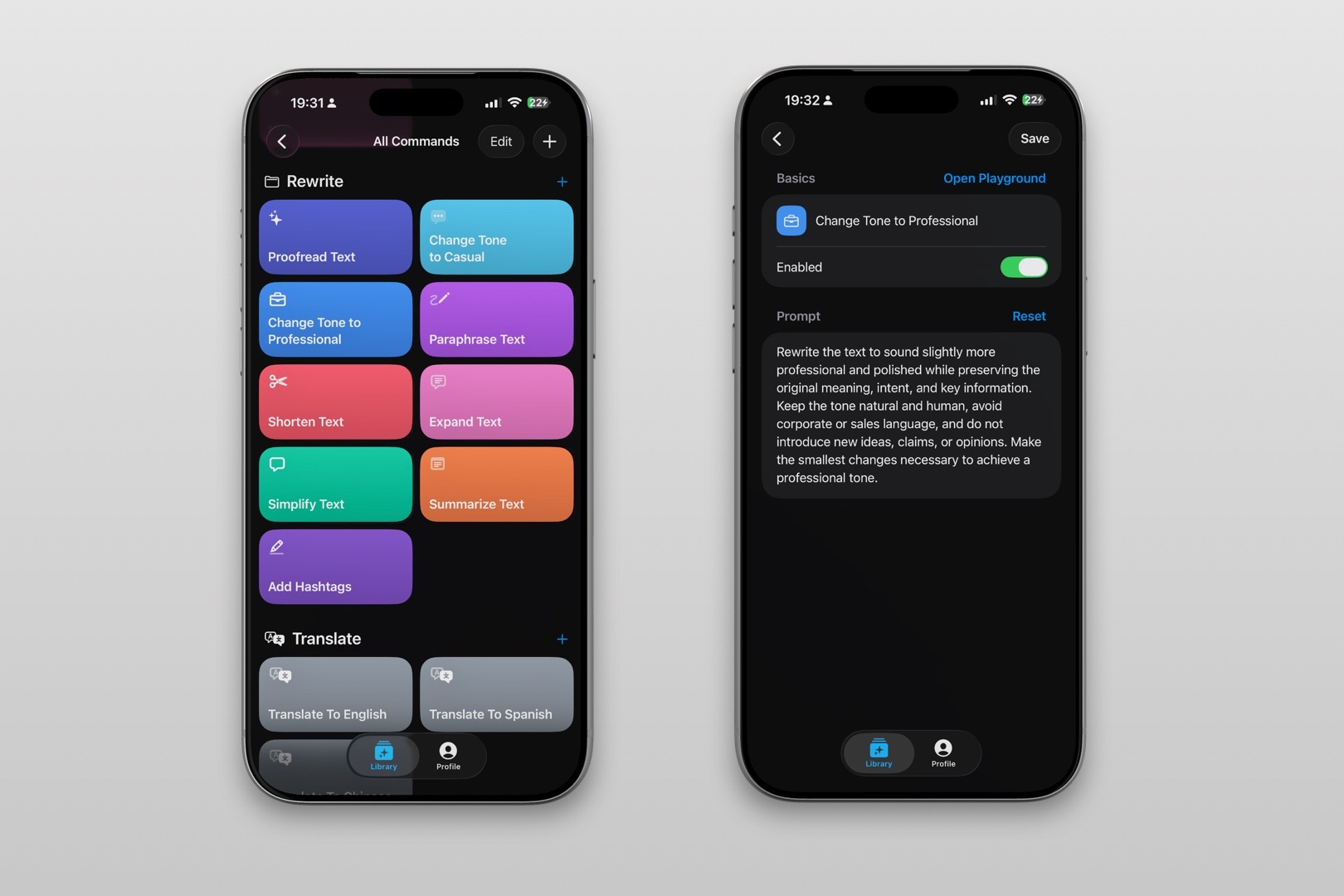
Before sending AI-assisted text, verify the meeting date, names, reason, deadline, and any work you offered to do. Do not paste confidential meeting details into any tool unless your organization permits it and you have reviewed the applicable service policy. If the generated draft adds a promise or softens your “no” into an invitation to reschedule, edit it back to what you mean.
Frequently asked questions
Is it rude to decline a meeting without suggesting another time?
Not necessarily. If you are not available and do not have another slot, avoid pretending you do. Acknowledge the invite and clearly decline. Offer a different format only if it is genuinely useful and within your capacity.
Do I need to explain why I cannot attend?
Usually, give the amount of context the organizer needs—not a detailed defense. A brief, accurate work reason may help; if it is private or irrelevant, a clear decline can stand on its own. Follow any team-specific process for required meetings.
What if I want to decline this time but stay open to meeting later?
Say that explicitly without promising a date: “I can’t make this one, but I’m open to revisiting after [real milestone].” Include a milestone only if it is meaningful and you intend to reconnect. Otherwise, use a neutral decline and let the organizer follow up if needed.
What if I am unsure whether I am needed?
Ask what decision, expertise, or input the organizer needs from you. If the invite is still unclear after that, follow your team’s norms or ask your manager rather than guessing that your presence is optional.
Should I decline the calendar invite or send a separate message?
Use the response method your organization expects. The examples here concern wording, not a specific calendar app, whose controls and notification behavior can vary. If the organizer needs context beyond the response itself, send a concise message through your normal work channel.
How short can a meeting-decline message be?
Often one or two sentences: acknowledge the invitation, say clearly that you will not attend, and include a next step only if you can honor it. More detail is useful when the organizer needs a decision, handoff, or context—not simply to make the decline sound more acceptable.
Related articles
Keep reading

How to Reschedule a Meeting Professionally From Your iPhone
Need to move a meeting without sounding flaky? Use these concise message examples, check the new time before sending, and keep the calendar invite in sync.

How to Say No to More Work Professionally Over Text
Set a clear workload boundary in a work text or Slack message without overexplaining, sounding defensive, or accepting an impossible deadline.

How to Reply When a Client Requests Work Outside Scope
Respond to an extra-work request without sounding defensive or accidentally agreeing to unpaid work. Check the agreed scope, clarify uncertainty, and offer a calm next step you can stand behind.

Felix Tran
RewriteMate Dev & Editorial Lead
Write about everyday workflows, systems that help ideas move faster, from first draft to finished work.