
November 6, 2026
Refund Request Email for a Damaged Item: What to Say
If an online order arrived damaged or is not what you ordered, write a short first message that identifies the purchase, describes the issue in observable terms, says what resolution you are requesting, and asks what to do next. Include only details you can verify, and attach or offer relevant evidence if the seller’s process asks for it. A clear email helps explain the problem; it does not guarantee a refund or determine what consumer rights apply where you live.
For a U.S. purchase made with a credit card, the Consumer Financial Protection Bureau recommends contacting the seller first, explaining the problem, and asking the company to refund the money or undo the charge. That is specific to its credit-card guidance, not a universal rule for every payment method or country. The Federal Trade Commission’s complaint-letter guide likewise recommends describing the transaction and problem, stating the resolution you want, and naming copies of records you include. (CFPB guidance; FTC complaint-letter guide).
The first message: keep it factual and easy to answer
You do not need to write a legal argument or tell the whole story of your shopping experience. Give the support person enough context to locate the order and understand the mismatch between what you expected and what arrived.
Use this order:
- Identify the purchase: item name, order number, and purchase or delivery date if known.
- Describe the issue: say what you observed, such as “the glass jar arrived cracked” or “I ordered the blue cover and received the black one.” Avoid guessing how the damage happened.
- State a reasonable requested remedy: for example, “I’m requesting a refund” or “Could you let me know whether a replacement is available?” Choose the outcome you actually want; do not demand multiple incompatible outcomes.
- Offer relevant documentation: mention a photo, receipt, packing slip, or prior case number only if you have it and it is appropriate to share through that channel.
- Ask one next-step question: “Could you let me know how to proceed?” is clearer than a string of questions about policy, shipping, and timing.
This structure is a practical synthesis of the FTC’s example letter, which includes transaction details, a description of the defect, a requested resolution, and copies of supporting records. The FTC also advises keeping originals and sending copies in a complaint letter. Its guide is general U.S. consumer information; use the retailer’s own instructions for an online support form, chat, or return portal. (FTC guide).
A copyable email template
Subject: Order [order number] — [damaged item / incorrect item]
Hello [seller or support team],
I’m contacting you about order [order number], delivered on [date]. The [item name] arrived [brief, observable description of the problem]. I’m requesting [the refund / replacement / other resolution you want].
I [have attached / can provide] [relevant photo or document, if applicable]. Could you let me know the next step?
Thank you,
[Your name]
Keep the bracketed details honest. If you do not know the delivery date, leave it out rather than estimate. If you have not attached a photo, do not say that you have. If the seller’s return process asks you to use a form or include a label, use that channel and preserve a copy of what you submit.
Example: the item arrived damaged
Imagine a fictional order for a ceramic mug. The delivery box appears intact, but the mug’s handle is cracked when unpacked. A first note could read:
Hello Support,
I’m contacting you about order [order number] for the ceramic mug, delivered on [date]. The mug’s handle was cracked when I unpacked it. I’m requesting a refund. I’ve attached a photo of the damage. Could you let me know how to proceed?
Thank you,
[Name]
This example reports what the sender says they observed. It does not claim the seller caused the damage, imply the seller has agreed to refund the order, or state that a particular policy applies. If your evidence or timeline differs, adapt the wording to your actual facts.
Example: the wrong item arrived
If the order contains a different product or variant, name both the ordered and received items:
Hello, I’m contacting you about order [order number], delivered on [date]. I ordered [item or variant], but the package contained [item or variant received]. I’m requesting a refund. Could you let me know whether you need any information from me to process the request?
If you would prefer the correct item instead of a refund, say that plainly. Do not say you will keep, return, or dispose of the item unless you have decided that and the seller’s instructions support it.
Before sending: check your facts and attachments
Take a final pass through the message and compare it with the order record and what you can actually see. This matters because a polished message can still be inaccurate.
- Confirm the seller’s name, order number, item, selected variant, and dates.
- Describe visible damage or a mismatch; separate what you observed from what you suspect.
- Check that the requested remedy is the one you want.
- Confirm every named attachment is actually included and does not reveal unrelated personal information.
- Remove statements about warranties, deadlines, legal rights, or seller policy unless you have checked the relevant source for your purchase and location.
- Save a copy of the message and any response or case number for your own records.
If the seller has a required return or complaint channel, follow its current instructions before sending sensitive order details elsewhere. A generic template cannot tell you whether the item must be returned, whether return shipping is covered, or whether you qualify for a particular remedy.
What if the seller does not resolve it?
First, check the retailer’s published process and any response you receive. If you contact support again, refer to the original order and message date, summarize the unresolved issue in one sentence, and ask for the next step. Avoid sending repeated copies of the same note without adding relevant information.
Payment method and location can matter if the seller does not resolve the issue. For U.S. credit-card purchases, the CFPB says to contact the card company to ask whether you can dispute a charge; it describes circumstances and qualifications rather than promising that every damaged-item case qualifies. Its page also explains a separate billing-error process and timing for certain cases. Read the CFPB’s full credit-card refund guidance and contact your card issuer for instructions specific to your account. Do not assume that those credit-card steps apply to debit cards, buy-now-pay-later services, cash, gift cards, or purchases outside the United States.
This article offers writing guidance, not legal, financial, or case-specific consumer-rights advice. For another payment type or location, consult the payment provider’s official dispute instructions and an official consumer-protection source for your jurisdiction. Keep your communication factual while you verify which process applies.
Turn the structure into a reusable RewriteMate command
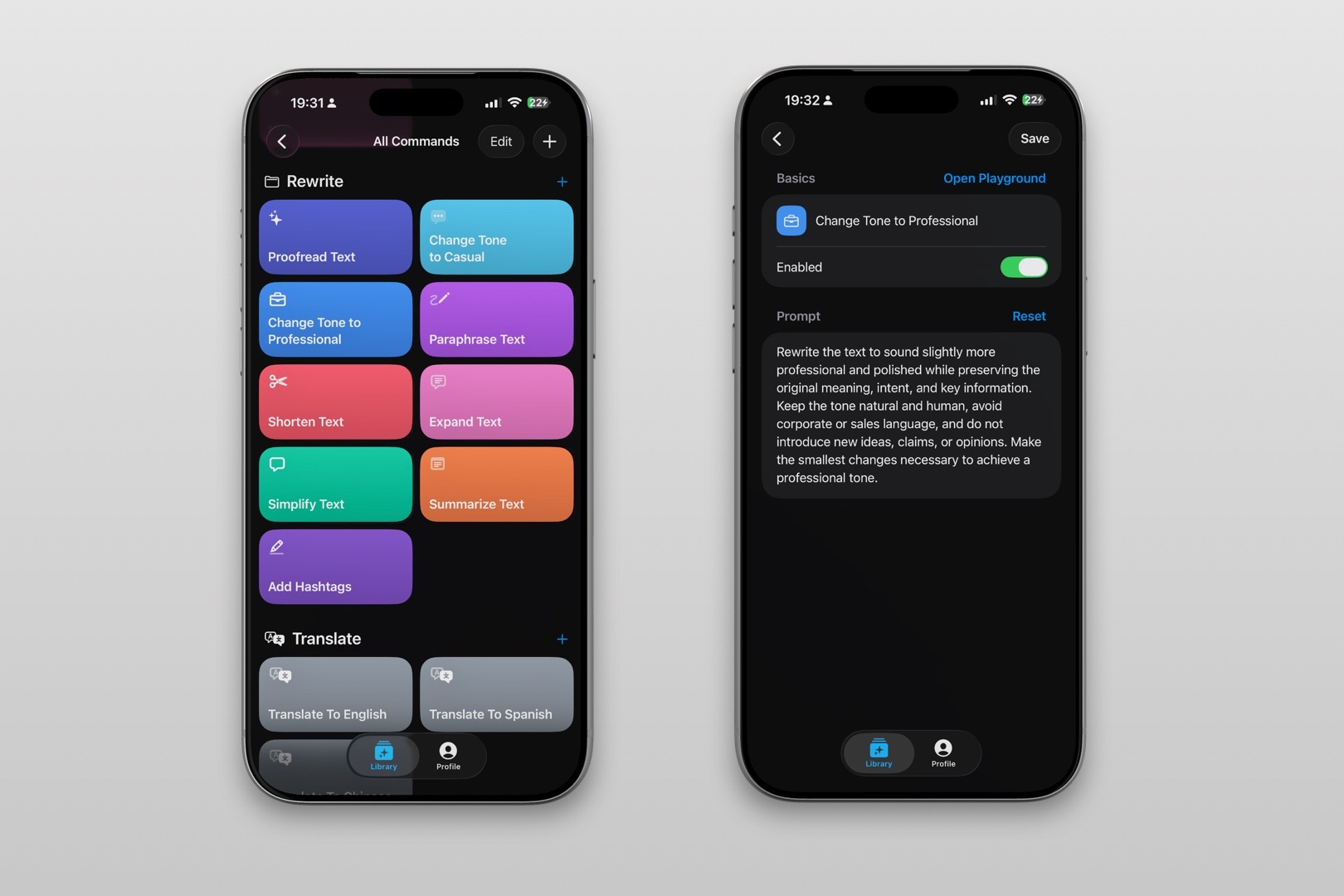
If you write similar first-contact messages more than once, a saved prompt can remind you to include the facts and requested outcome without automatically adding a threat or policy claim. RewriteMate’s custom-command guide describes saving writing instructions as keyboard shortcuts. This recipe is optional drafting support: the user still supplies and checks the information.
When to use it: a first message to a seller about a damaged or incorrect item, when you know what happened and what remedy you want.
When not to use it: to decide your legal rights, interpret a warranty, invent a return deadline, submit a payment dispute, or send account details that should only go through the retailer’s secure channel.
Command name: First Refund Request
Suggested folder: Shopping & Returns
Output action: Copy the draft for a final review, or insert it into the retailer’s message field if that is the context you are using.
Prompt to save:
Draft a concise, polite first message to the seller using only the details I provide. Include the order number [order number], item [item], date received [date if known], observed issue [what arrived or what is wrong], requested remedy [refund or other outcome], and evidence actually available [photo/receipt/none]. Ask one clear question about the next step. Do not invent facts, damage causes, dates, attachments, warranty terms, seller policies, legal rights, deadlines, or promises. If a key detail is missing, leave a bracketed placeholder rather than guessing. Keep the message calm and under 100 words.
Use a placeholder or omit a field if it does not apply. Do not paste payment-card numbers, passwords, or other unnecessary sensitive information into a drafting prompt. The prompt is designed to organize supplied facts, not verify them or decide what you are entitled to receive.
Example input and draft
Fictional input: order AB-2048; ceramic mug; received Nov 4; handle cracked on unpacking; requesting a refund; one damage photo available.
Possible draft to review:
Hello, I’m contacting you about order AB-2048 for the ceramic mug, delivered on Nov 4. The handle was cracked when I unpacked it, and I’m requesting a refund. I’ve attached a photo of the damage. Could you let me know the next step?
This is an illustrative draft, not a report of a real purchase or an example of an approved refund. Before sending, check that the order number and date are correct, that the photo is attached, and that a refund is what you want. If an AI tool changes the condition, adds a delivery detail, or claims the seller agreed to something, remove it.
For general help polishing a message from an iPhone, see how to reply to an email professionally from your iPhone. If you often adapt prompts for different email-writing tasks, these email-rewriting prompts offer a broader starting point; always check that a prompt preserves your facts.
Frequently asked questions
What should a refund request email for a damaged item include?
Include enough information to identify the order, a brief description of what arrived, the remedy you want, relevant evidence you actually have, and one question about what happens next. The FTC complaint-letter guide recommends identifying the transaction, explaining the issue, stating the requested resolution, and naming included documents.
Should I ask for a refund or a replacement?
Ask for the outcome you actually prefer, if the seller’s process allows you to request one. A refund, replacement, repair, or another resolution may fit different situations. A template cannot determine which remedy applies to your purchase or under local rules.
Should I attach photos of a damaged delivery?
If the seller’s channel accepts attachments and the photos directly show the issue, they may help explain what you observed. Name only files you have attached, and avoid including unrelated personal information. Follow the retailer’s current instructions about what documentation to submit.
What if I received the wrong item?
State what you ordered and what arrived, using the names or variants shown on the order and item. Then ask for the resolution you prefer and what the seller needs next. Do not describe the item as damaged if the issue is that it is different from the order.
How long should I wait before following up?
Check the seller’s stated response timeframe or case instructions first. If no timeframe is given, use a reasonable reminder you choose for your situation and refer to the date of your first message. The FTC guide’s sample asks the consumer to select a date before taking another step; it does not establish a universal response period for every seller or transaction.
Can I dispute the payment if the seller refuses a refund?
That depends on your payment method, location, and circumstances. For U.S. credit-card purchases, the CFPB advises contacting the card issuer to ask whether a charge can be disputed and describes specific conditions for some processes. Read the official guidance and ask your issuer; do not assume the same steps or eligibility apply to another payment type or country.
Related articles
Keep reading

How to Reply to an Email Professionally From Your iPhone
Write clear, professional email replies from your iPhone with a simple structure, practical examples, and AI-assisted editing tips that keep your message accurate.
10 Best ChatGPT Prompts for Rewriting Emails
Discover 10 copy-and-paste ChatGPT prompts for rewriting emails professionally, politely, and clearly. Save time and improve every email with AI.

Felix Tran
RewriteMate Dev & Editorial Lead
Write about everyday workflows, systems that help ideas move faster, from first draft to finished work.